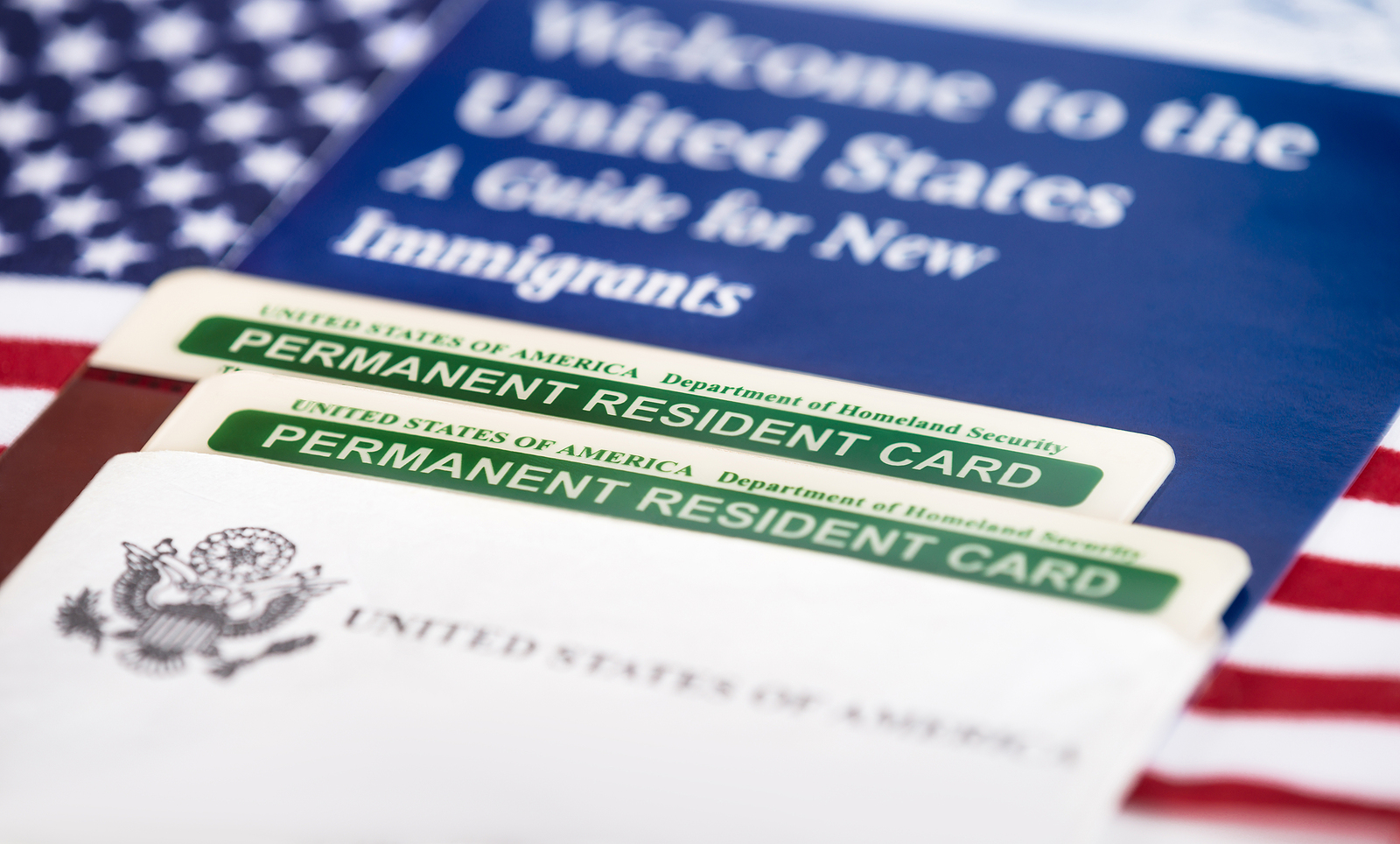
The Trump administration implemented significant changes to U.S. immigration policy, including shifting green card processing overseas. This move, intended to streamline the application process, aimed to reduce backlogs and improve efficiency by allowing consular processing in American embassies and consulates worldwide. Proponents argued that it would expedite applications for family-based and employment-based green cards, enabling faster connections between immigrants and their U.S. sponsors.
However, critics raised concerns about accessibility and the potential for increased scrutiny and delays. Many applicants feared that navigating foreign systems could complicate their attempts to obtain residency. Additionally, this shift placed greater emphasis on international diplomatic relations, as the effectiveness of these processing changes relied heavily on the capabilities of individual consulates.
Ultimately, the policy reflected the administration’s broader immigration strategy, prioritizing control and enforcement, while also reshaping how the U.S. handled immigration logistics on a global scale. This decision had lasting implications for millions seeking a pathway to life in America.
For more details and the full reference, visit the source link below: