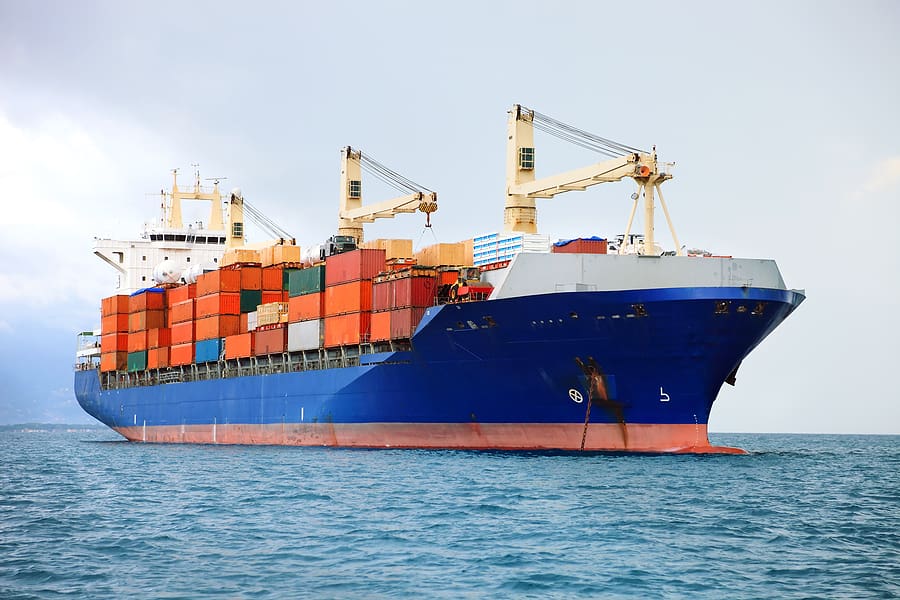
“Opening the Strait” might seem like a straightforward initiative, but the complexities involved make it a multifaceted challenge. Geopolitically, straits often serve as crucial transit points for shipping and trade, making them hotbeds of international interest and tension. The interplay between nations surrounding the strait can generate conflicts, particularly when territorial waters and navigation rights are contested.
Economically, the effects of opening a strait can vary widely, impacting local industries, fisheries, and tourism. Communities dependent on the status quo might resist changes that could endanger their livelihoods. Environmentally, the ramifications of increased traffic must also be considered; ecosystems could be disrupted, leading to long-term consequences.
Lastly, there are logistical concerns, including infrastructure readiness and safety protocols. All these factors contribute to a landscape where “opening the strait” is not merely a matter of decision, but one requiring extensive negotiation, planning, and cooperation among various stakeholders.
For more details and the full reference, visit the source link below:
Read the complete article here: https://www.stl.news/strait-of-hormuz-crisis-why-opening-strait/