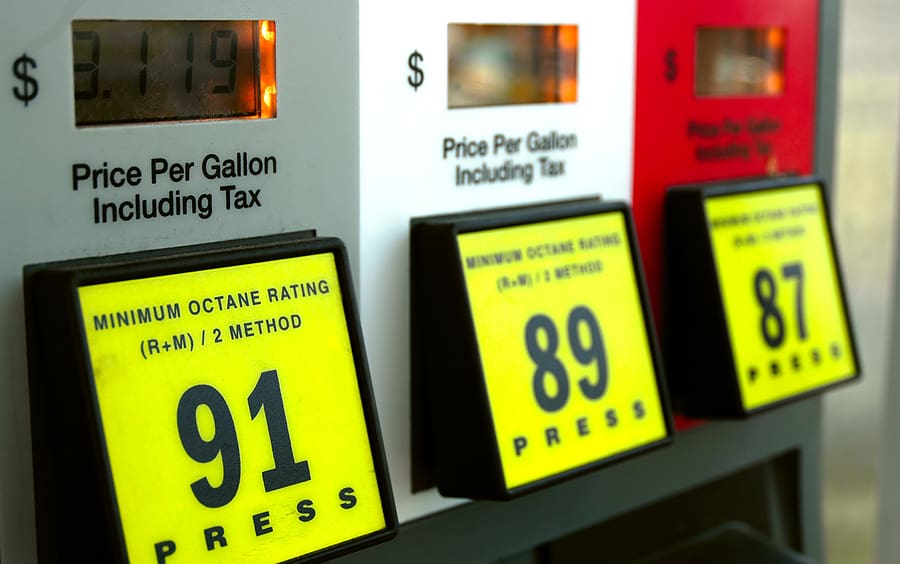
Gas prices in the U.S. have surged recently, driven by escalating global tensions that are disrupting energy markets. Factors such as geopolitical conflicts, supply chain disruptions, and fluctuating crude oil prices have contributed to this spike. As countries navigate sanctions and energy resource limitations, the U.S. market feels the ripple effects, with prices at the pump reaching levels not seen in years.
Consumers are grappling with rising costs, impacting their daily lives and overall economic sentiment. Transportation and goods prices are also climbing, raising concerns about inflation and its potential long-term effects on the economy.
Experts suggest that government intervention might be necessary to stabilize prices, including exploring alternative energy sources and increasing domestic production. As the situation evolves, many are left wondering how long these elevated prices will persist and what measures can be taken to alleviate the burden on American households. The intersection of geopolitics and energy markets remains a significant concern for policymakers and consumers alike.
For more details and the full reference, visit the source link below: