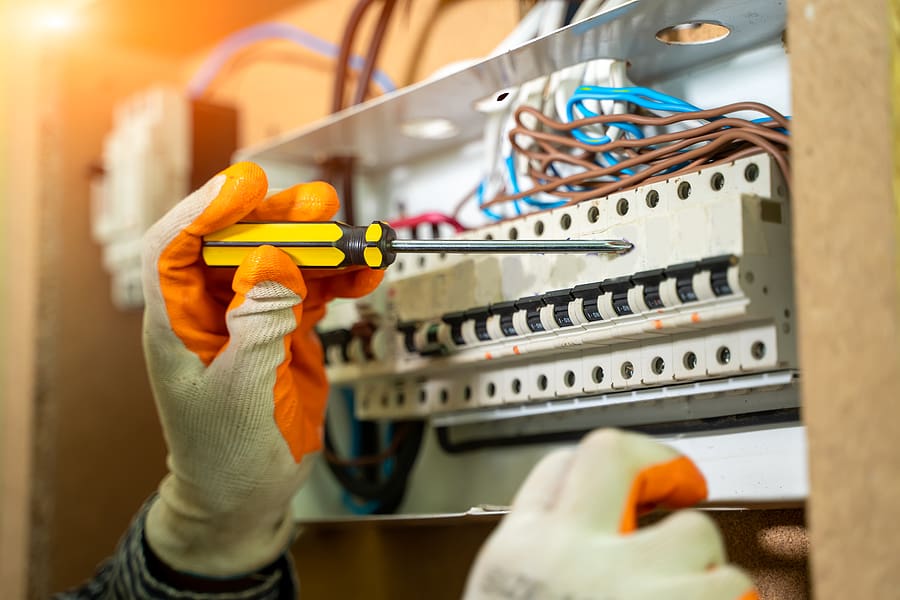
Electrical wiring codes are essential for ensuring safety and efficiency in electrical installations. Here are eight key requirements these codes typically cover:
-
Safety Standards: They establish safety protocols to minimize risks of fire and electrical shock.
-
Wiring Materials: Regulations dictate the type and quality of materials to be used, ensuring they are suited for specific applications.
-
Circuit Design: Codes provide guidelines on circuit layout, including the number of outlets and circuit breakers required per area.
-
Grounding: Proper grounding procedures are detailed to prevent electric hazards and enhance system reliability.
-
Overcurrent Protection: Regulations specify the use of fuses or circuit breakers to safeguard against overloads.
-
Installation Practices: Codes outline methods for proper installation, including support and protection of wiring.
-
Voltage Ratings: They dictate acceptable voltage levels for residential and commercial setups to ensure compatibility with devices.
-
Testing and Inspection: Guidelines for testing and inspecting installations are included to verify compliance with safety standards.
For more details and the full reference, visit the source link below: