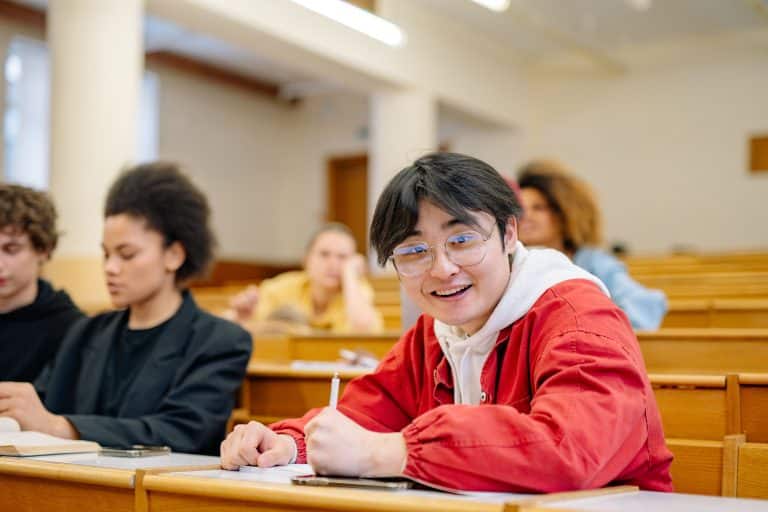
Educational institutions are increasingly adapting to meet the evolving expectations of students, driven by technological advancements and shifting societal norms. One significant change is the integration of technology in the classroom. Schools and universities are implementing blended learning models that combine traditional teaching with online resources, allowing for personalized learning experiences.
Moreover, institutions are placing a greater emphasis on mental health and well-being, offering counseling services and wellness programs that cater to students’ holistic needs. This responsiveness acknowledges that education goes beyond academics, focusing on developing well-rounded individuals.
Additionally, many colleges are prioritizing career readiness, enhancing internship opportunities and partnerships with industries to ensure students acquire practical skills that align with job market demands. Flexibility in course offerings, such as evening classes or online degrees, also caters to diverse lifestyles, making education more accessible than ever. Ultimately, these adaptations reflect a commitment to nurturing student success in a rapidly changing world.
For more details and the full reference, visit the source link below: