The decision for the United States to go to war involves multiple entities, primarily the President, Congress, and the judiciary. The President, as Commander-in-Chief, holds the authority to deploy military forces and respond to immediate threats. However, under the War Powers Resolution of 1973, the President must notify Congress within 48 hours of military action and seek approval for extended engagements.
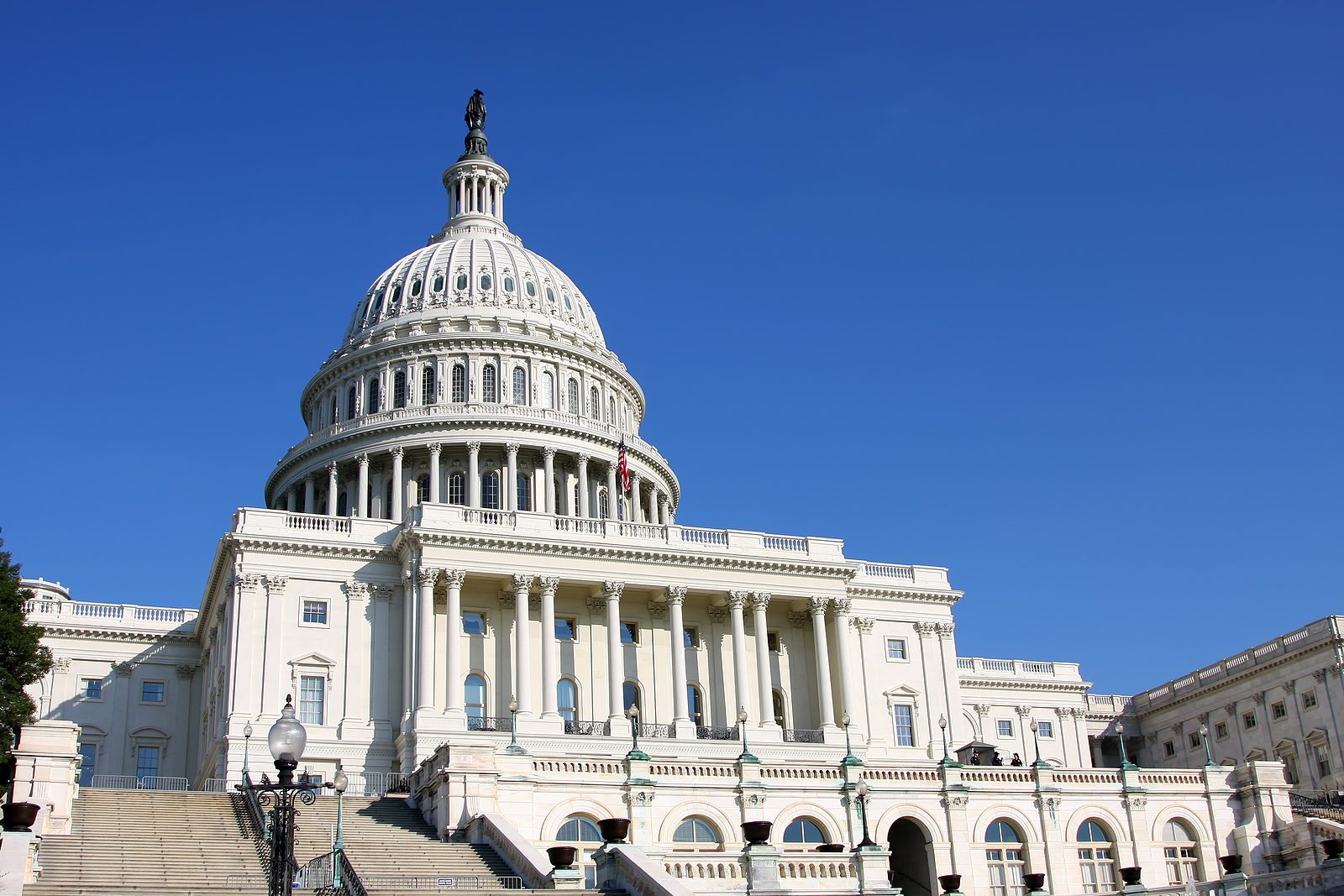
Congress holds the power to declare war, a responsibility enshrined in the Constitution. This means that while the President can initiate military action, any prolonged conflict requires legislative approval. Additionally, public opinion and the media play crucial roles in influencing both branches’ decisions. The judiciary can also intervene, assessing whether Congress and the President adhere to constitutional obligations during military engagements.
In essence, the decision to go to war in America is a complex interplay of executive authority, legislative oversight, and public sentiment, aimed at ensuring both security and accountability.
For more details and the full reference, visit the source link below: