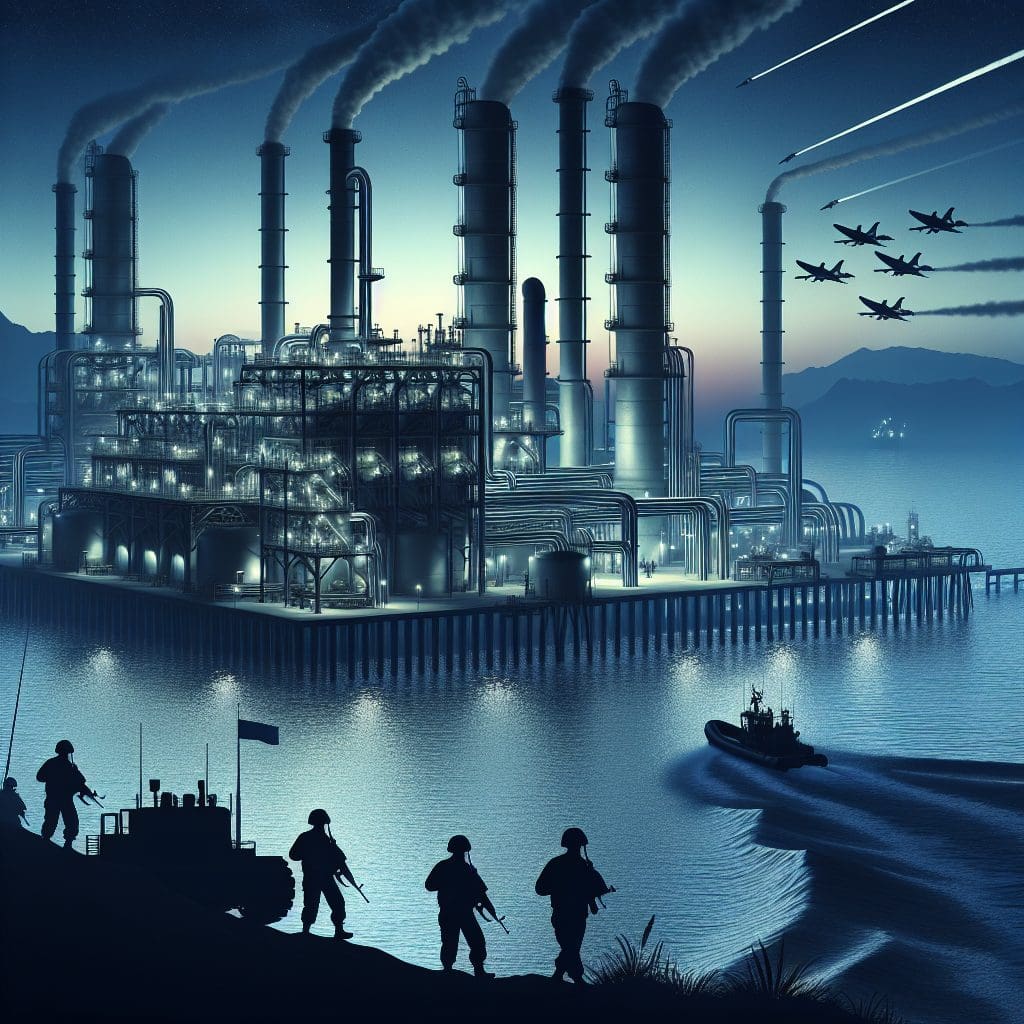
Desalination plants, essential for converting seawater into potable water, may be targeted by military forces for several reasons. Primarily, they are critical infrastructure, providing a vital resource to civilian populations and military operations. Disabling a desalination facility can create water shortages, thereby weakening morale and hindering the operational capacity of an adversary. Additionally, in conflict zones where fresh water is scarce, control over desalination facilities can give strategic advantages.
Furthermore, targeting such facilities can also have psychological effects, as they symbolize vulnerability despite technological advancements. By attacking a desalination plant, a military might seek to instill fear and disrupt the stability of a nation dependent on these facilities. Last, the geopolitical implications of water scarcity amidst conflict make desalination plants high-value targets in strategies aimed at asserting dominance or negotiating power in resource-rich regions. Addressing these vulnerabilities is crucial for ensuring the resilience of water supply systems in areas prone to conflict.
For more details and the full reference, visit the source link below: